
Reusing and recycling furniture is increasingly becoming not only a creative and original approach, but above all a sustainable one, allowing old furniture destined for the landfill to be given new life, transforming it into unique, designer objects.
From upcycling to DIY, the possibilities for giving new life to old furniture are endless. With a little creativity and manual skill, you can transform a chair into a coffee table, a wardrobe into a bookcase, or a chest of drawers into a bedside table. It's an opportunity to rediscover the value of handmade items and add a personal touch to your home.
More than just a hobby, reusing and recycling furniture can also become a profession. More and more artisans and designers are dedicating themselves to this activity, creating unique and sought-after pieces that are conquering thesustainable furniture market.
And it is precisely one of these professional realities that we want to talk to you about today, a project that we have known closely and appreciated from the very beginning. We are talking about two creative minds from Treviso, Martino and Marco, and in the next few lines, we will take a peek at what's in their Retrobottega.

Who is behind Retrobottega? Tell us a little about yourselves and your project.
Behind Retrobottega are Martino and Marco, four hands, a few kilometers, and often a dog (the wonderful Gina! ed.).
We embarked on this project partly for fun but also because we are sensitive to environmental issues, combined with a passion forcraftsmanship and vintage style. We give old furniture and recycled materials a second life. We educate people to be aware that there is an alternative to fast furniture and that, today, it is preferable.
We have always had a passion for craftsmanship, and once we combined our love of manual work with the concept of recycling and recovery, we found that, in our own small way, we could raise people's awareness of sustainability. Furniture designed and made at least 50 years ago should be able to start a second life and is definitely preferable to current furniture, which is not always cheap but is designed to last a short time and fuel a cycle of replacement that is no longer possible.
How did you get into carpentry and craftsmanship? What is your background and how did you learn the trade?
Growing up in families where we breathed carpentry and sawdust and learned the valueof craftsmanship, understood as personal expression through the use of our hands, was fundamental to our the birth of a passion and the practice of a craft that we continue to update and perfect to this day.

What are your roles within the project? How do you divide up the tasks?
Marco has an infallible intuition for finding and selecting pieces to purchase; it often takes a good dose of imagination to see their potential, but over the years he has refined his eye, and furniture that many considered trash has become our most successful work.
Martino takes care of restoring the pieces, with carpentry work that is often quite invasive.
Both of us then rethink the aesthetics of the piece of furniture or furnishing accessory.
Reuse and recycling: what type of wood do you use? Where do you find the wood that you then "save" and reuse in your creations?
We try to produce as little waste as possible. So we buy furniture just to recover wood and parts that will be used in new compositions. We are both hoarders, which helps us to have material (but not to be tidy!).

As for the creative process, where do you find inspiration for shapes and colors? Do you refer to a particular style?
We started out with "fake drawers." From using old drawers, we moved on to creating fake drawers on furniture doors to have the aesthetics of a drawer but the functionality of a door (did I say drawer?!).
We then realized that by reusing old, colored, or otherwise weathered wood, we could obtain interesting finishes and textures that are well suited to different styles of furniture, as well as supporting our ultimate goal of recycling.
Your work inspires us to use our creativity to recover unused materials and objects that would otherwise be destined for the landfill. Let's say we have an old bedside table that is now ugly and unusable. What can we do to recover it and transform it into something beautiful?
When faced with an old and battered piece of furniture, we almost never say it should be thrown away. At most, it can become material for creating a completely different piece of furniture, unless it has been exposed to the elements or is too worm-eaten.
Without major carpentry work, however, the easiest thing to do would be to give it a fresh coat of paint. Pieces that have little to say repainted with a new color immediately become more interesting.
We also like to mix things up a bit at this stage. A piece that was created for one purpose can take on a totally different one: two bedside tables become a bathroom column, a chest becomes a TV stand, an old door becomes a table...the creative part is always the most fun and stimulating.
--
And so, thanks to Martino and Marco's words, we imagine old furniture dancing in the Retrobottega and exchanging pieces and colors! Thanks to their intuition and their hands, unique pieces are created; or rather, they are reborn, because this is their second life, and this makes us even more confident that we are moving in the right direction towards more responsible and conscious consumption.

To keep an eye on the latest news from Retrobottega, you can find them on Facebook and Instagram.
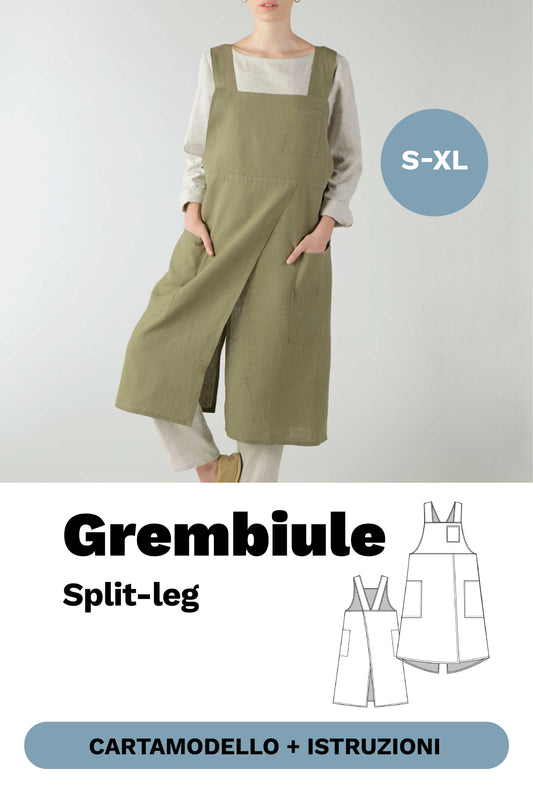
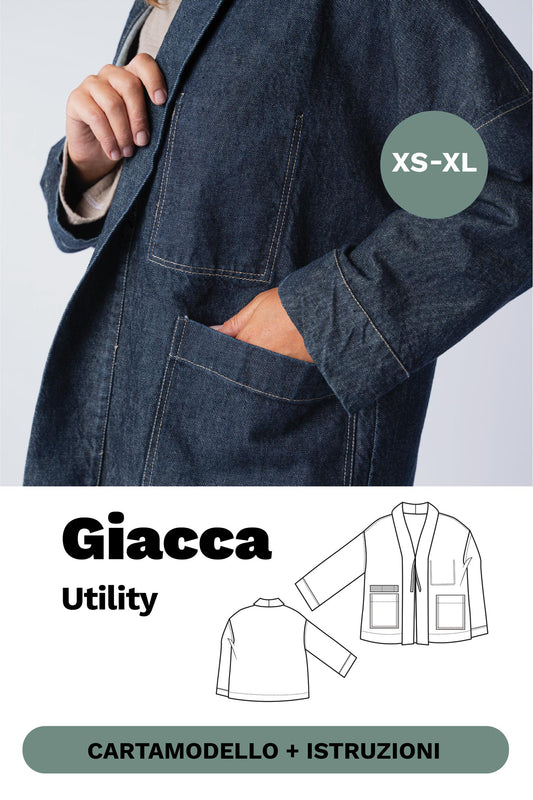
If you are looking for the right clothing to get to work yourself, you can take a look at all our garments and available colors by visiting our shop.
Cultivate your creativity